Your 4K rig arrived damaged. Your crew waited two hours for grip.
Before we move anything, we diagnose why.
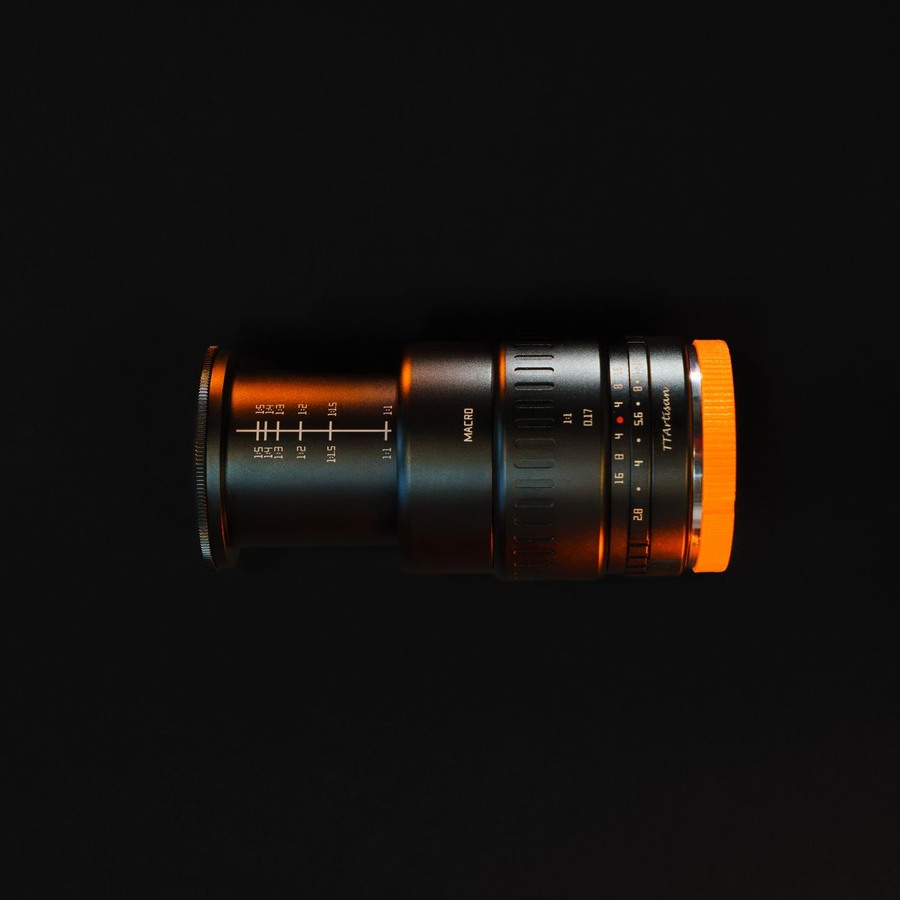
Equipment failure cascades through production schedules. A damaged 4K camera body, a missed grip delivery, or a forgotten lens adapter compounds into crew downtime, location penalties, and budget overruns. Before you source a new transport vendor or rebuild your storage system, you need to diagnose where your logistics chain fractured.
Gear Diagnostics maps the failure point—was it packing protocol, carrier selection, inventory tracking, or scheduling coordination? We work backward from your incident to identify the root cause, then forward to implement targeted solutions that prevent recurrence. Production managers and location scouts use our diagnostic framework to troubleshoot equipment damage, scheduling gaps, and inventory blind spots before they impact your shoot.
Five symptoms. Five categories. One root cause.
Which one is costing you time and money?
Moisture damage in transit
Condensation inside lens elements, corroded contacts, and sensor fogging indicate inadequate environmental sealing during transport. Production managers often overlook humidity control as a root cause of equipment failure, leading to expensive repairs and delayed shoots.
Bulbs and ballasts arrive broken
Fragile tungsten and HMI elements require shock-absorbing isolation, not generic foam. When lighting rigs fail on set, the entire crew waits—a single missed call time can cost thousands in idle labor and location fees.
Late arrival of stands and rigging
Heavy grip equipment demands routing optimization and load-balancing protocols. Delayed grip deliveries force production to reschedule shots, compress timelines, and lose location light windows.
Missing consumables and expendables
Tape, gels, cables, and expendables vanish in transit or are forgotten at pickup. Inventory gaps force location scouts to source replacements locally at premium cost, or halt production entirely.
Wrinkles, stains, and lost continuity
Costumes require climate control and flat storage, not compression in standard cases. Damaged wardrobe forces reshoots, continuity breaks, and emergency alterations that derail production schedules.
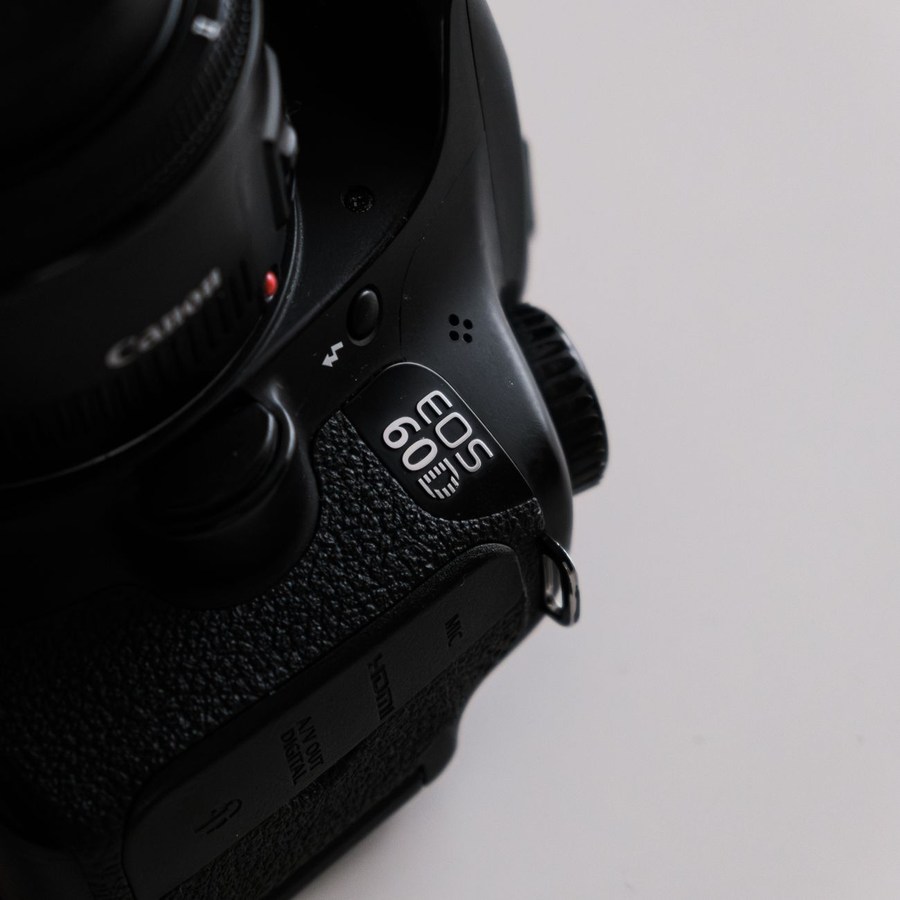
The diagnostic journey: symptom to solution.
Follow the decision tree. Identify the logistics failure.
Step 1: Identify the symptom
Does your equipment arrive damaged, late, or incomplete? Each failure mode points to a specific logistics breakdown—environmental exposure, routing inefficiency, or inventory tracking failure.
- Damage in transit → environmental control
- Late arrival → routing and scheduling
- Missing items → inventory protocol
Step 2: Trace the root cause
Environmental failures stem from humidity, temperature, or shock exposure. Timing failures reveal gaps in load planning or vehicle capacity. Inventory gaps expose missing check-in/check-out procedures or incomplete manifests.
- Moisture → sealed containers required
- Shock → isolation and padding
- Delay → load optimization
Step 3: Select the protocol
Each equipment category demands a tailored transport and storage protocol. Cameras need climate-controlled cases; grip needs load-balanced vehicles; wardrobe needs flat, humidity-managed storage.
- Cameras: sealed, climate-controlled
- Lighting: shock-isolated, organized
- Grip: load-balanced, routed early
Step 4: Verify and iterate
Before-and-after reasoning ensures every protocol choice is justified. We document trade-offs: faster routing may require larger vehicles; sealed cases add weight but prevent damage. No protocol is perfect—only reasoned.
- Test on low-risk shipments first
- Measure arrival condition and timing
- Adjust based on actual failure modes
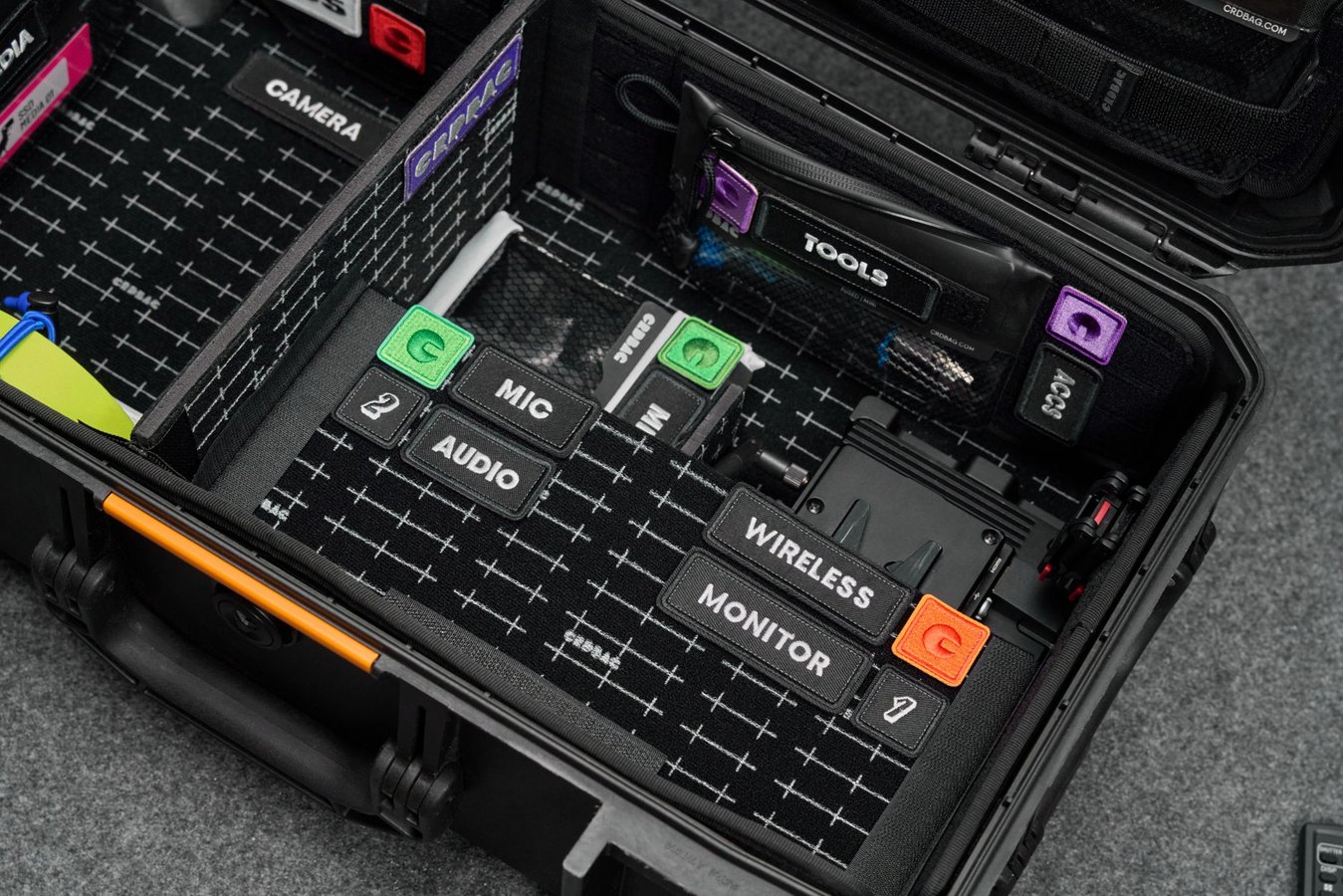
Transport protocols built on reasoning, not promises.
Before-and-after reasoning for each equipment type.
Cameras: sealed isolation
Before: Condensation inside lenses, corroded contacts, sensor fogging. After: Sealed Pelican cases with desiccant packs, temperature-stable transport. Trade-off: Cases add 15% to transport weight but eliminate moisture damage entirely.
Lighting: shock-absorbing nests
Before: Broken bulbs, cracked reflectors, ballast failures. After: Custom foam inserts, individual element isolation, vibration-damped racks. Trade-off: Custom cases cost more upfront but prevent expensive bulb replacement and on-set delays.
Grip: load-balanced routing
Before: Late arrivals, missed call times, crew idle time. After: Pre-calculated load plans, early dispatch, vehicle capacity matching. Trade-off: Requires advance planning but eliminates production delays and labor waste.
Materials: manifest-driven inventory
Before: Missing consumables, emergency sourcing, budget overruns. After: Itemized manifests, barcode tracking, sealed consumable kits. Trade-off: Adds 10 minutes to packing but prevents inventory gaps and location scrambles.
Wardrobe: climate-controlled flat storage
Before: Wrinkles, stains, continuity breaks, emergency pressing. After: Humidity-managed cases, flat garment racks, sealed costume bags. Trade-off: Requires larger transport volume but eliminates reshoots and continuity failures.
Reasoning over promises
Every protocol choice is justified by a specific failure mode and a measurable trade-off. We do not promise perfection—only reasoned, documented decisions that reduce risk and cost.
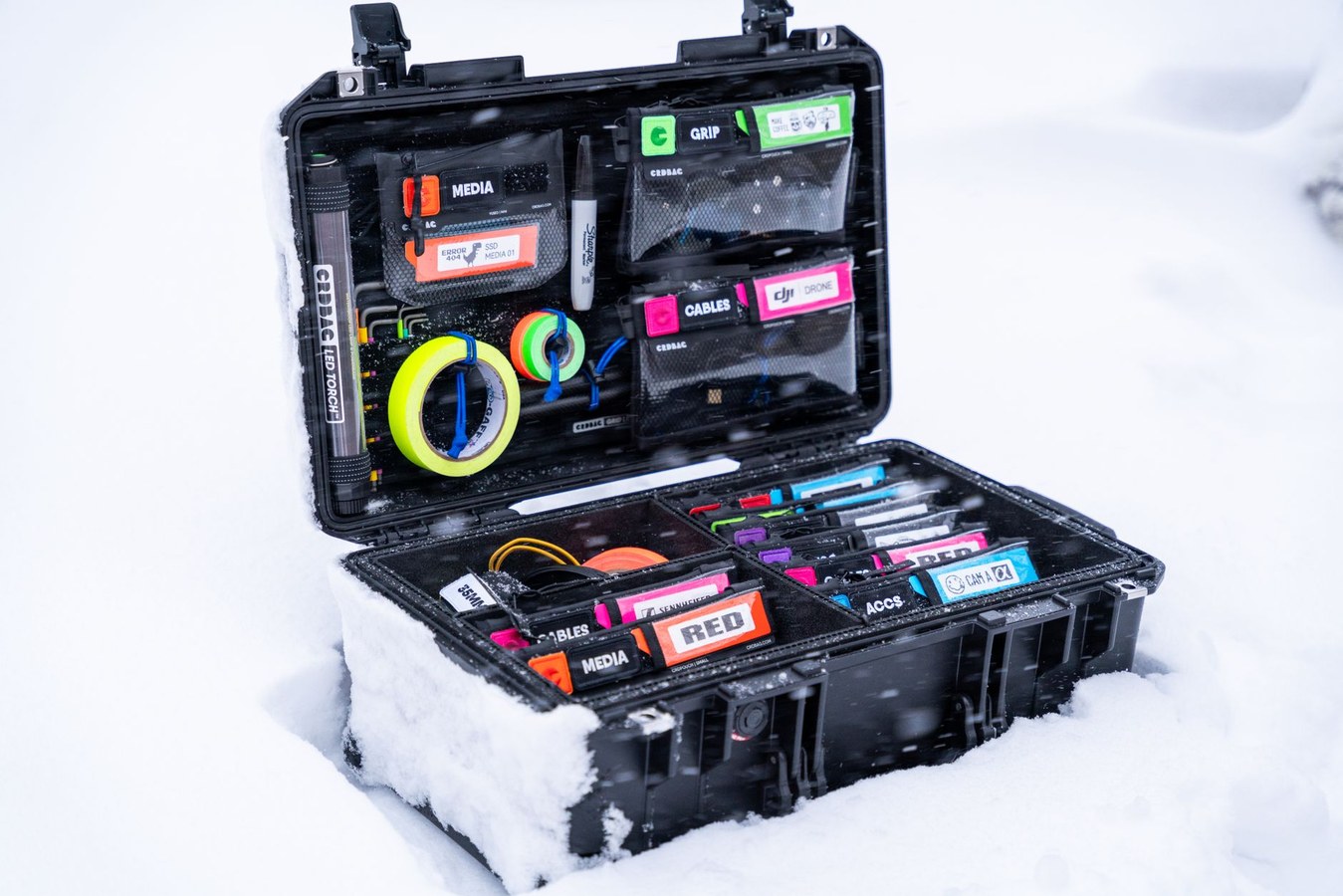
Diagnose your next move.
Tell us what's broken. We'll identify why.
Production managers and location scouts: describe your specific equipment and logistics challenge. We'll trace the root cause and recommend a targeted protocol—no generic solutions, only reasoned diagnosis.
Contact details
Al Nokta Street, Ezbet Wadi al Qamar 21535, Alexandria, Egypt
Monday–Friday, 09:00–18:00